Price and booking
Base tour
From €350 per group (up to 4)
Optional restaurant lunch: +€28 per person. Pickup: Inđija Railway Station included; Sava Centar in Belgrade or central Novi Sad +€10 per person. Choose one pickup location and the corresponding add-on when booking.
Book the tour on GetYourGuideStarting prices depend on party size and option. Check the final total before booking. The lunch add-on covers one selected meal.
What the visit looks like
After pickup, we travel to the monasteries. On the journey and during visits, Božidar connects their history with Orthodox tradition. The order and time at each stop can adapt to road conditions, services and monastery rules.
Lelić
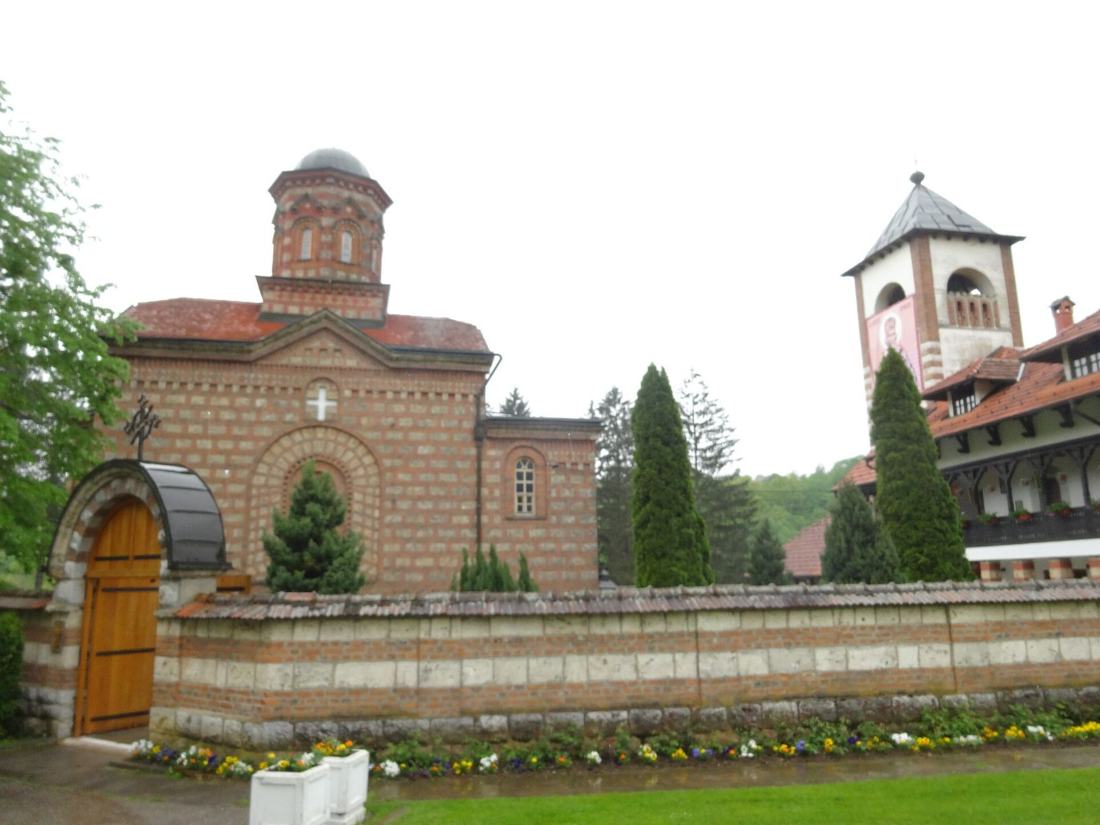
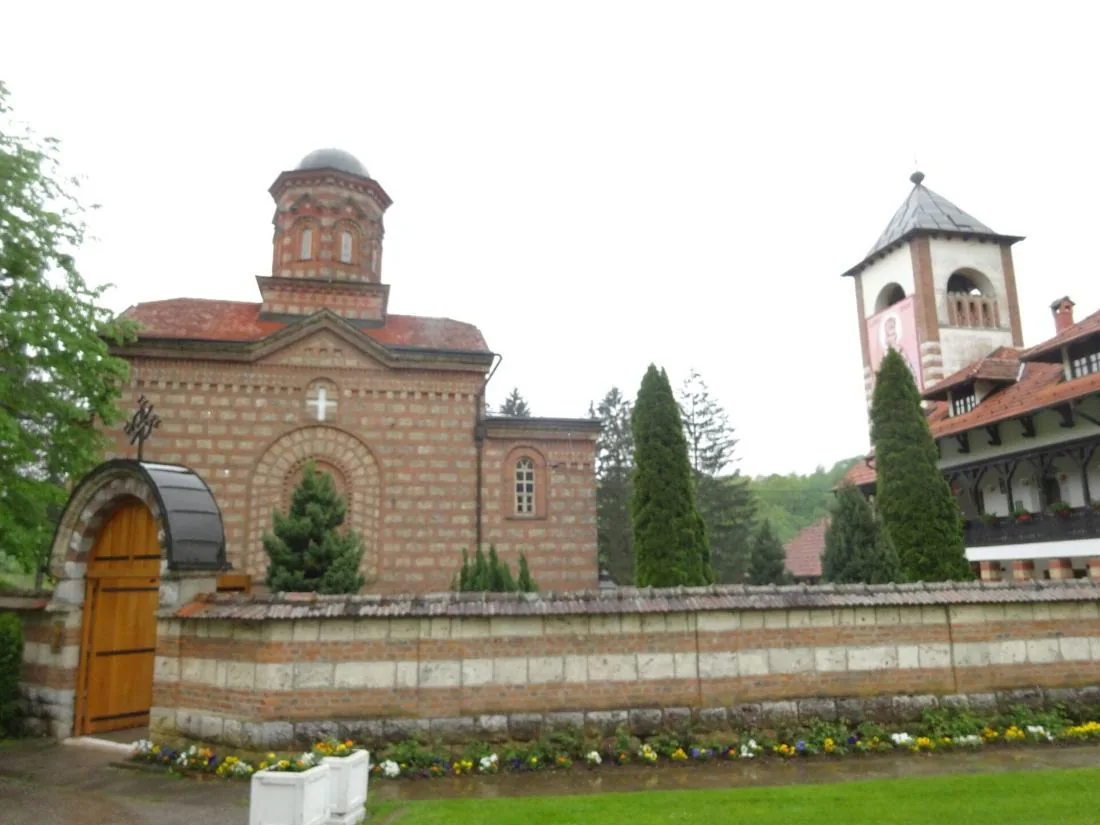
Mickey Mystique · CC BY-SA 4.0 Lelić is the foundation of St Bishop Nikolaj Velimirović and his father Dragomir in the bishop's native village near Valjevo. The Church of St Nicholas was built in 1929. Unlike many monasteries on our routes, its story begins in more recent Serbian history.
More about this monastery →Art, sacred heritage & visiting
Bishop Nikolaj's relics were transferred from the United States to Serbia in 1991. According to the Diocese of Valjevo's account, the church became a monastery in 1996. Nikolaj spent his final years in America; Lelić preserves his foundation and is a place of veneration of his relics.
A visit introduces one of Serbia's best-known 20th-century religious writers. We connect its story with nearby Ćelije and St Justin while distinguishing their individual lives. Time outside and inside the church allows space for historical questions as well as personal prayer.
Ćelije
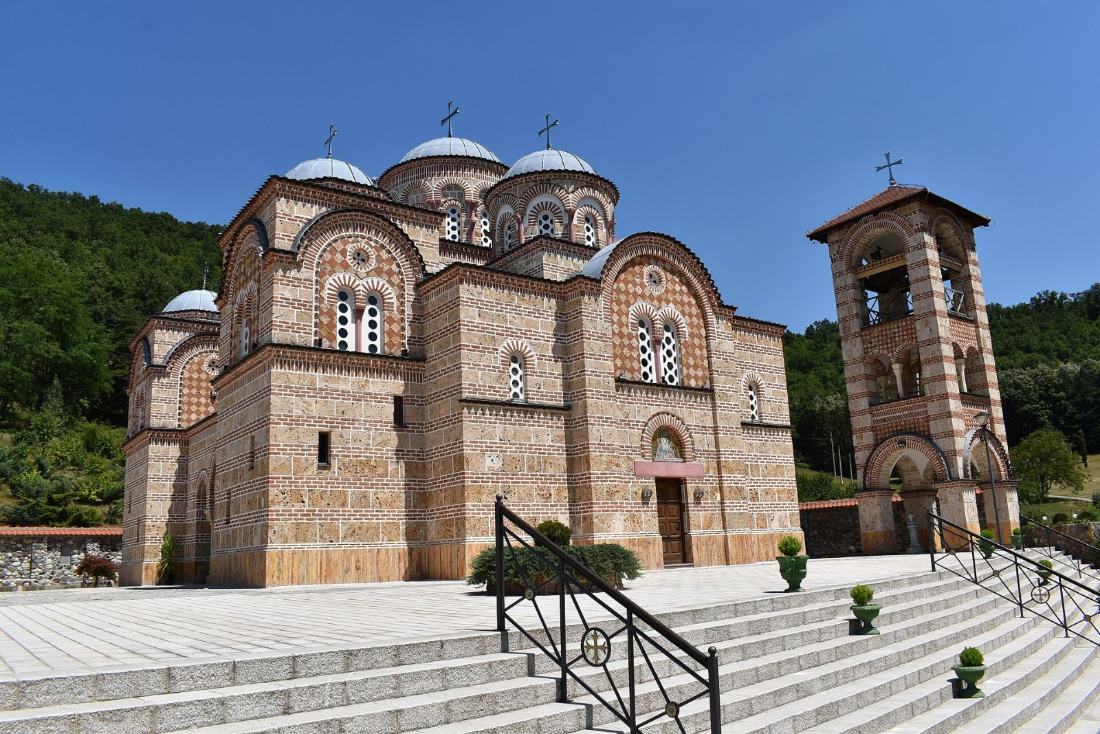
Misa.stefanovic.07 · CC BY-SA 4.0 Ćelije lies in the Gradac valley near Valjevo. The monastery's earliest origins are uncertain: different traditions survive, while a reference in an Ottoman survey from 1560 is associated with this foundation. Its history includes rebuilding, use as a parish church and the restoration of monastic status in the 20th century.
More about this monastery →Art, sacred heritage & visiting
St Justin Popović arrived at Ćelije in 1948 and lived here until his death in 1979. His theological and literary work gave the monastery particular significance. He was canonised in 2010, and his relics were transferred into the monastery church in 2014.
Ćelije provides an opportunity to discuss modern Orthodox theology, icons and the role of a monastic sisterhood alongside its history. We allow time for a quiet visit and respectful veneration. Nearby Lelić complements the story, but the two monasteries and their associated saints should not be confused.
Kaona
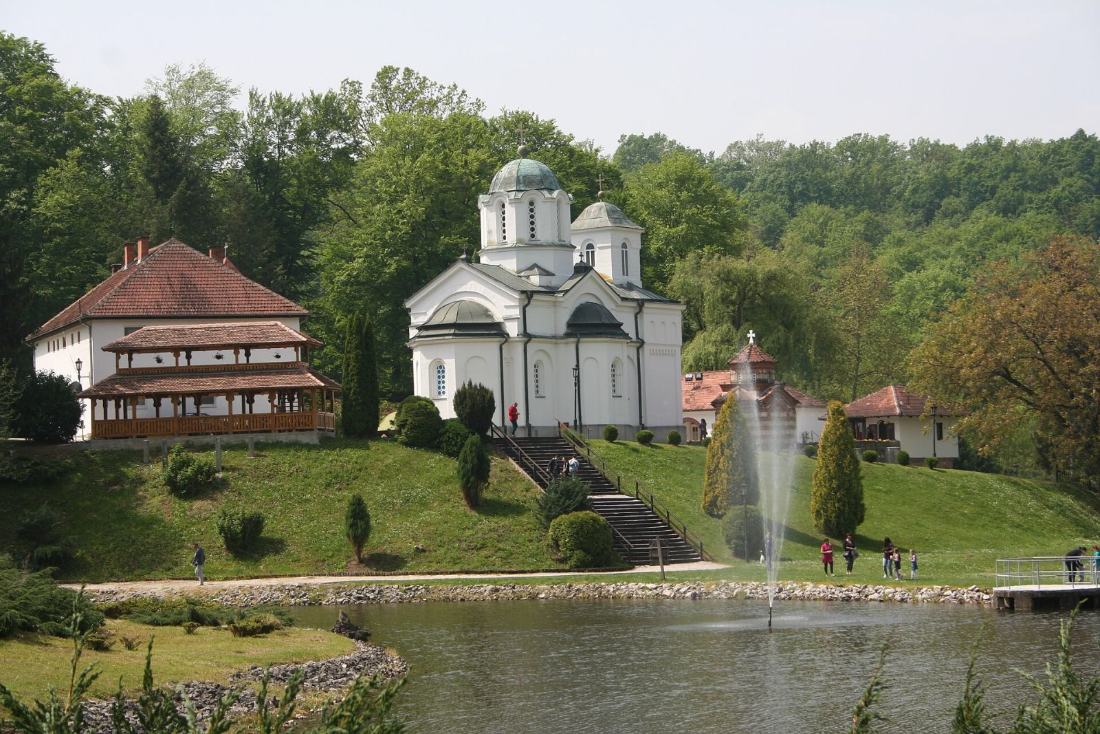
Ванилица · CC BY-SA 4.0 Kaona belongs to the Diocese of Šabac. Tradition links it with Ikonija, the sister of Miloš Obilić, while the present Church of Archangel Michael dates from 1892. Its traditional founder should be distinguished from the securely known date of the current church.
More about this monastery →Art, sacred heritage & visiting
During the First Serbian Uprising, the monastery complex also served the insurgents, including the care of wounded people. Later destruction and renewal helped shape its present appearance. Kaona illustrates how a monastery's history can encompass prayer, support for its community and rebuilding.
On our route through five monasteries of the Valjevo and Šabac area, Kaona provides a starting point for discussing the archangels and religious foundations. Look at the church, its proportions and the surrounding grounds. The visit allows time to understand the monastery while respecting the rhythm of its religious life.
Jovanja kod Valjeva
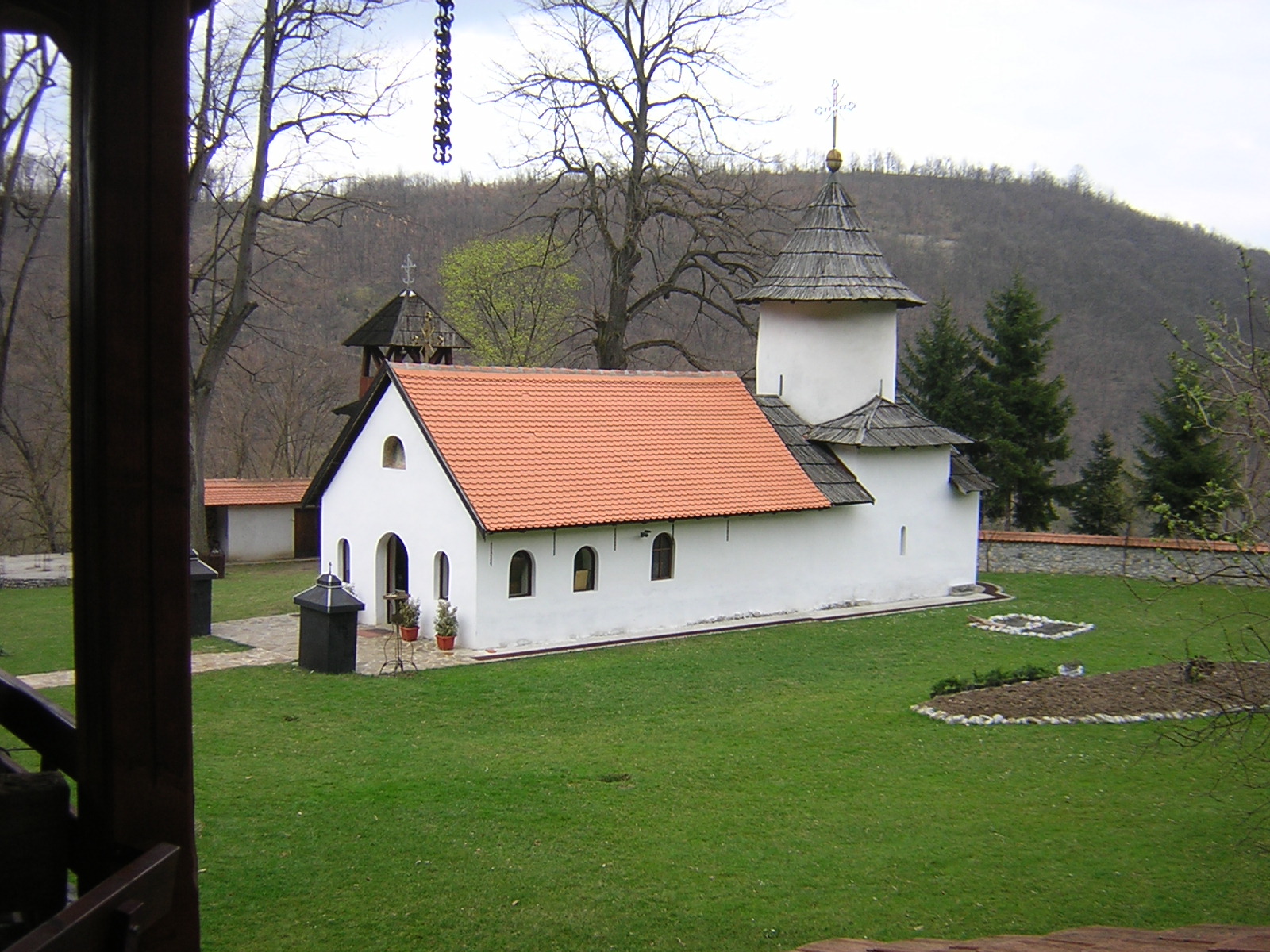
Tomislav Ž. Popović · CC BY-SA 4.0 Jovanja, sometimes called Jovanje in tour descriptions, stands near Valjevo beside the Jablanica River. It should not be confused with Jovanje in the Ovčar–Kablar Gorge. Our route visits the monastery dedicated to the Nativity of St John the Baptist in the Diocese of Valjevo.
More about this monastery →Art, sacred heritage & visiting
The foundation's history is older than some of its surviving building phases; accounts of the monument date the present church to the second half of the 16th century. It has a single nave and a dome, while fragments of frescoes suggest the former richness of its decoration. Successive restorations testify to its long history.
Jovanja offers an opportunity to discuss St John the Baptist, church dedications and the preservation of smaller monasteries. Look at the dome and surviving wall paintings, allowing time for a quiet walk in the churchyard. Our route connects its story with Pustinja, while giving each monastery its own attention.
Pustinja
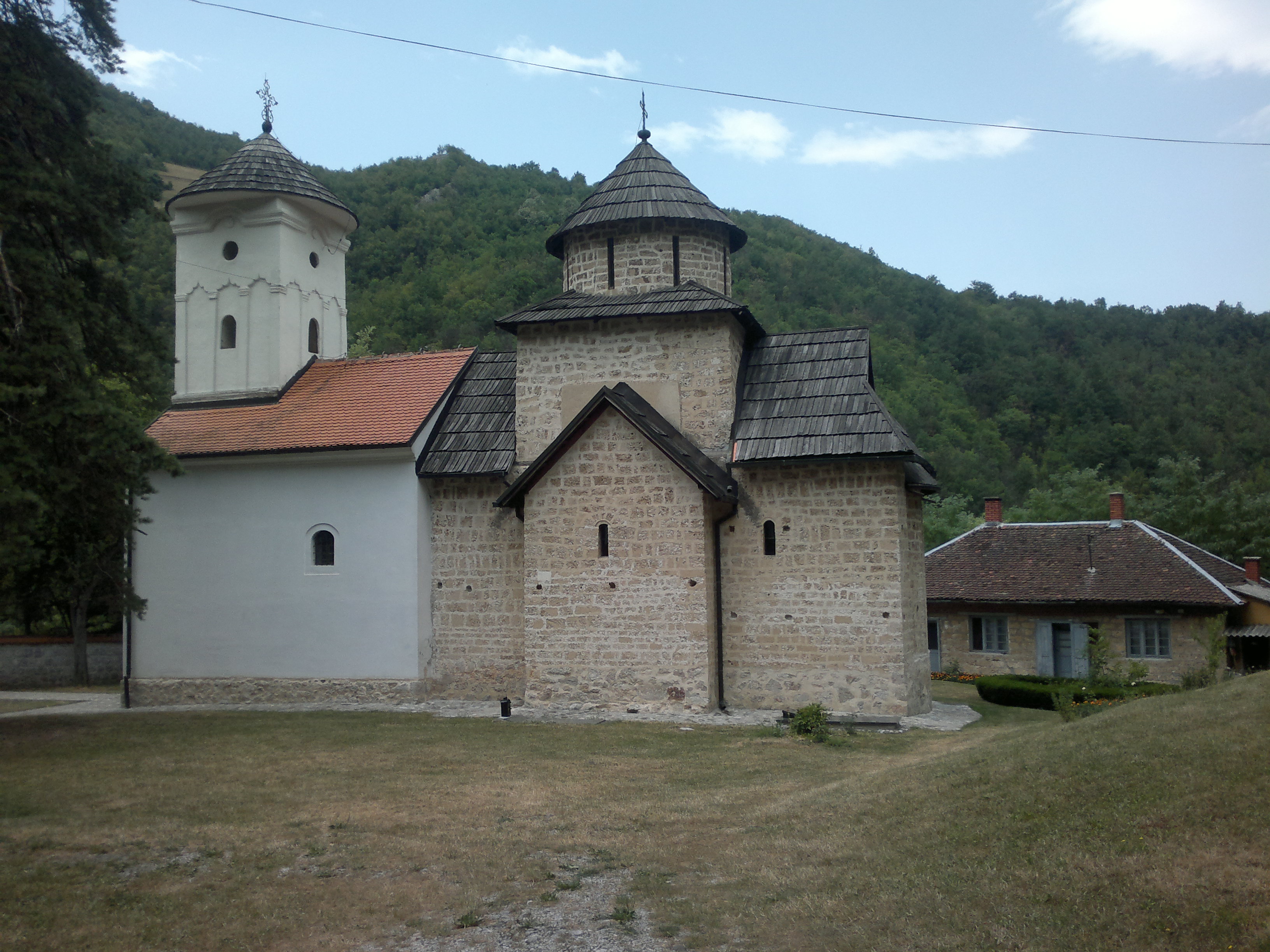
Antidiskriminator · CC BY-SA 3.0 Pustinja stands in the Jablanica Gorge near Poćuta in the Valjevo area. It is dedicated to the Presentation of the Mother of God. Tradition connects its origins with the Middle Ages and King Dragutin, while the Diocese of Valjevo associates the present church with rebuilding around 1600.
More about this monastery →Art, sacred heritage & visiting
The preserved frescoes of 1622 are a highlight. An inscription records the date of painting, and a donor composition shows Hieromonk Joakim offering the church to the Mother of God. The small building rewards slow observation rather than a hurried visit.
The Diocese of Valjevo records St Justin of Ćelije's comparison between Pustinja and Mount Athos, inviting those who have not seen the Holy Mountain to experience this monastery. Our visit explores its painting, stillness and life of prayer, with respect for the monastery's photography rules.
What is included
- Local guide Božidar during the tour
- Transportation by private vehicle throughout the tour
- Visits to the monasteries listed in the programme
- Stories about history, Orthodox faith and monastic life
Lunch is not included in the base price; add a restaurant meal for €28 per person. Personal expenses are not included.
Meeting point and pickup
Choose one agreed meeting point: Inđija Railway Station, Sava Centar in Belgrade or central Novi Sad. We confirm the exact location and time before the tour. Inđija pickup is included; Belgrade or Novi Sad pickup costs an additional €10 per person.
Before booking
How do I book?
Open the relevant GetYourGuide option and check availability. For date, pickup or lunch arrangements, send Božidar a WhatsApp message with the tour name. Your booking is confirmed through your chosen booking method.
What should I wear and bring?
Wear clothing covering shoulders and knees, comfortable footwear and bring water. Respect the monastery's quiet and ask before taking photographs. For the two-day tour, discuss preparation for hiking and the overnight stay with your guide.
How much walking is involved?
We walk through monastery courtyards and to the churches. Approaches may include steps and uneven surfaces. Walking varies by programme; if you have limited mobility, contact Božidar before booking to check whether the route meets your needs.
Is the tour suitable for children and older guests?
If travelling with children or older guests, share their ages and needs when arranging the visit. Božidar can discuss pace, breaks and monastery access with you. Some tours involve longer drives or walks, so check suitability before booking.
How can I add lunch?
Restaurant lunch is available by prior arrangement for an additional €28 per person for one meal. Select the Restaurant lunch add-on on GetYourGuide for each guest who wants lunch and let your guide know about dietary requirements.
Where do we meet and what does pickup cost?
Pickup at Inđija Railway Station is included. Pickup near Sava Centar in Belgrade or in central Novi Sad is an additional €10 per person. Choose one pickup location and the corresponding add-on; the exact location and time are confirmed before the tour.