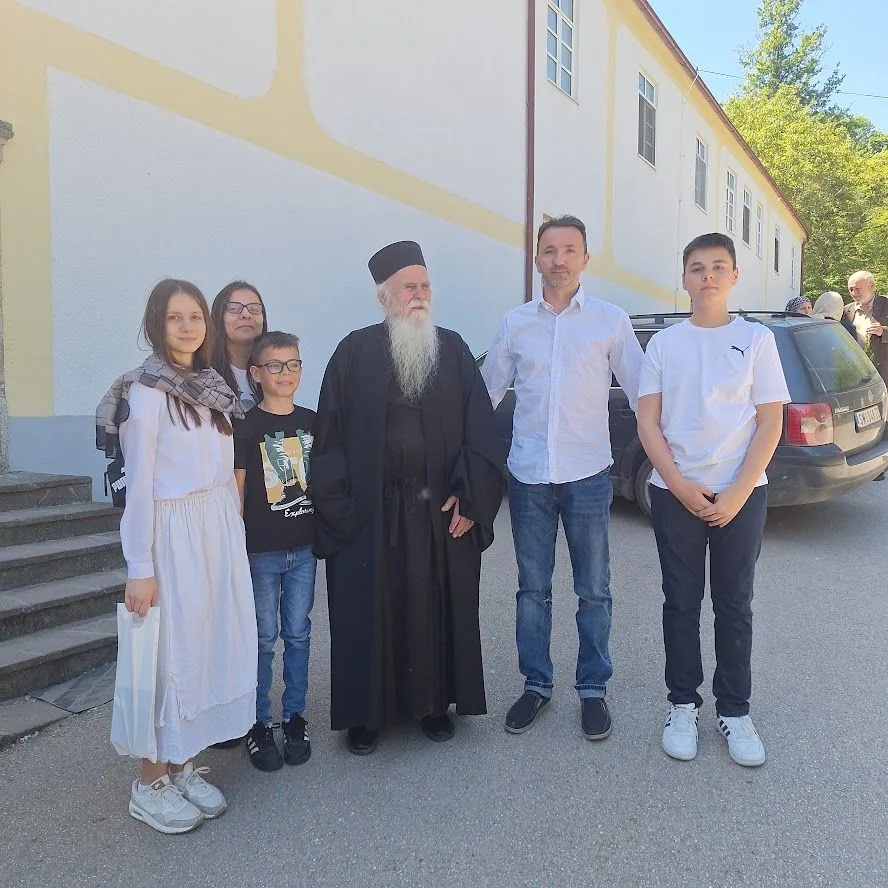
Price and booking
Base tour
From €65 per person
Optional restaurant lunch: +€28 per person. Pickup: Inđija Railway Station included; Sava Centar in Belgrade or central Novi Sad +€10 per person. Choose one pickup location and the corresponding add-on when booking.
Book the tour on GetYourGuideStarting prices depend on party size and option. Check the final total before booking. The lunch add-on covers one selected meal.
What the visit looks like
After pickup, we travel to the monasteries. On the journey and during visits, Božidar connects their history with Orthodox tradition. The order and time at each stop can adapt to road conditions, services and monastery rules.
Velika Remeta
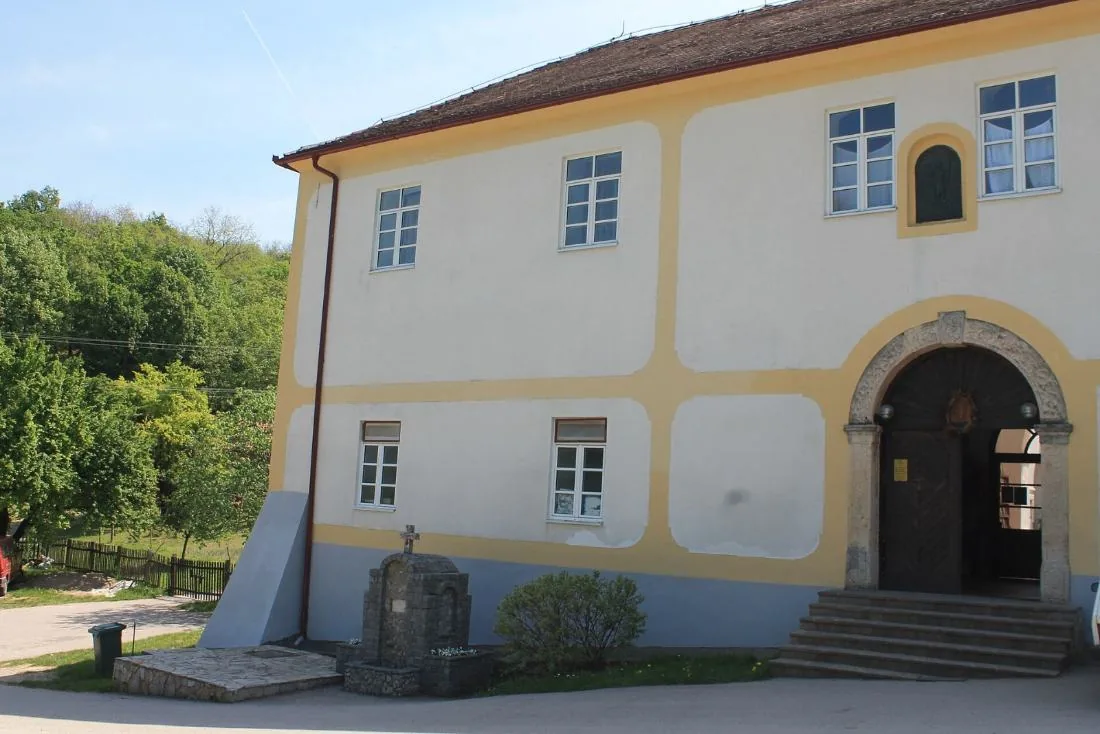
Ванилица · CC BY-SA 4.0 Velika Remeta stands among the monasteries of eastern Fruška Gora. Local tradition associates its foundation with King Dragutin, but this should not be treated as a securely established date. Written evidence naming the monastery comes from the 16th century, including a document from 1562. Its church is dedicated to St Demetrius.
More about this monastery →Art, sacred heritage & visiting
The Baroque bell tower, built between 1733 and 1735, is a striking feature of the complex. It recalls the rebuilding of Fruška Gora's monasteries under the Metropolitanate of Karlovci. Fragments of 16th-century wall painting also survive in the church, offering a glimpse of an earlier artistic layer.
Start by looking at the tower, then take time to notice the church itself. Velika Remeta offers a useful introduction to the distinction between local tradition, documentary evidence and surviving buildings. A visit also provides an opportunity to approach the monastery as a living place of prayer rather than solely a historic monument.
Krušedol
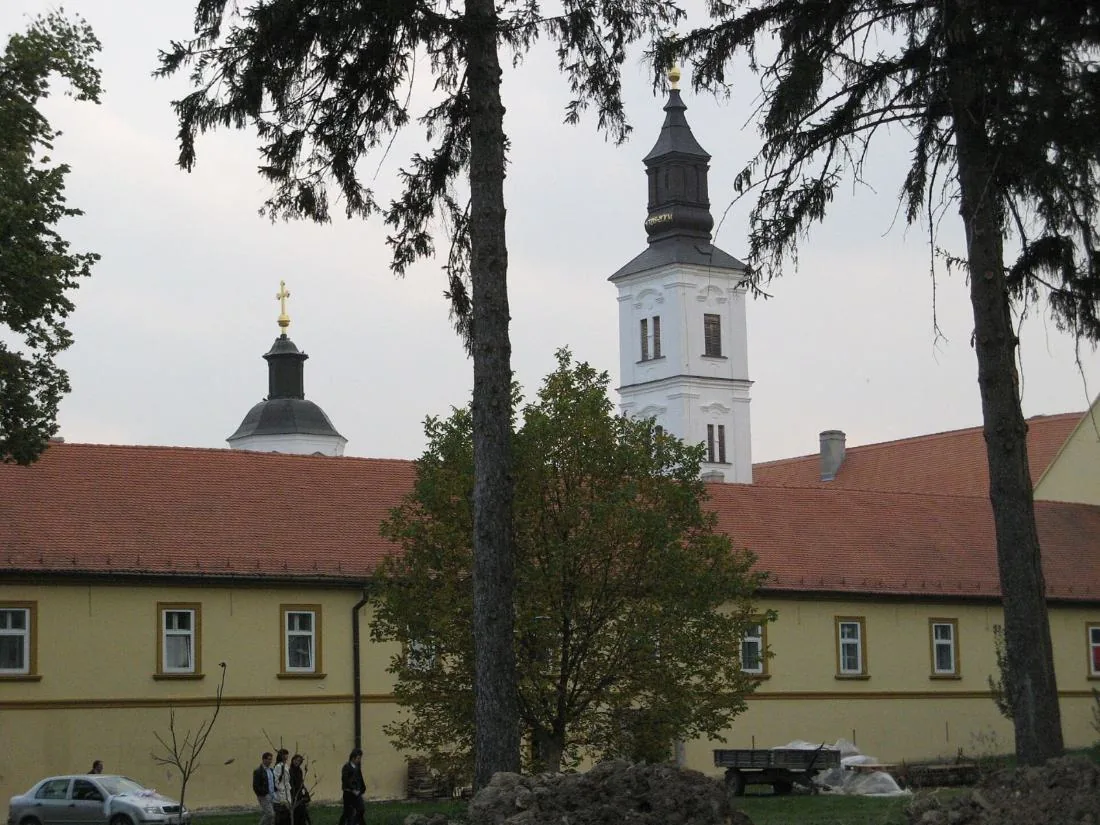
Manedj · CC BY-SA 3.0 Krušedol was founded in the early 16th century by St Maksim Branković and his mother, St Angelina. The church is dedicated to the Annunciation to the Mother of God. After the loss of the medieval Serbian state, foundations such as this became important centres of faith and historical memory in Srem.
More about this monastery →Art, sacred heritage & visiting
The monastery is also a burial place of prominent figures, including Patriarchs Arsenije III and Arsenije IV, Princess Ljubica and King Milan Obrenović. Destruction in 1716 was followed by extensive rebuilding. The church's medieval form and later Baroque layers reveal how monastic art developed over time.
During a visit, look at the wall paintings and the iconostasis, whose icons date from different periods. The tombs connect Krušedol with migrations, ruling families and church history. Rather than simply listing dates, its story allows us to consider how one monastery helped sustain a community through profound change.
Grgeteg
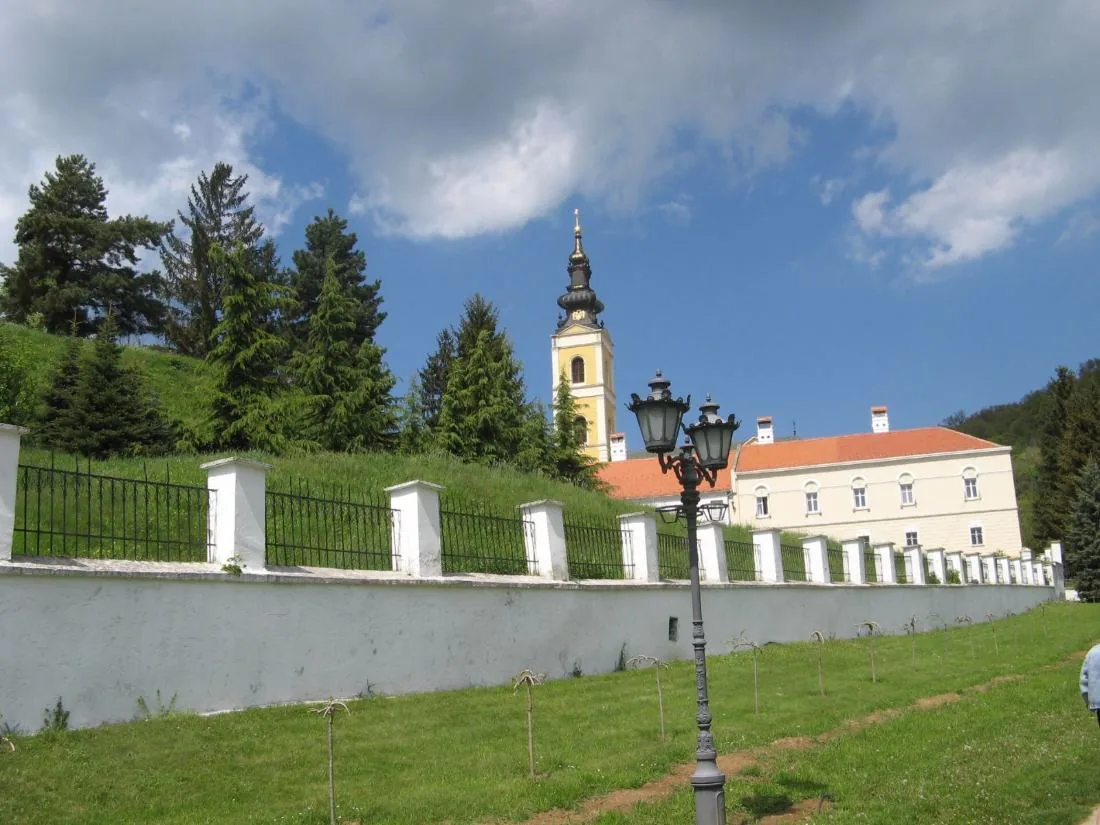
Manedj · CC BY-SA 3.0 Tradition attributes Grgeteg's foundation to Despot Vuk Branković, remembered in Serbian epic poetry as the Fiery Dragon. Reliable Ottoman records mention the monastery from 1545. The present church dates from the 18th century, while rebuilding around the turn of the 20th century substantially shaped its appearance.
More about this monastery →Art, sacred heritage & visiting
A particular highlight is the iconostasis, with icons painted by Uroš Predić in 1901–1902 during a restoration designed by architect Hermann Bollé. A copy of the Three-handed Mother of God icon, brought here in 2002, expresses the monastery's spiritual connection with Hilandar on Mount Athos.
Grgeteg appeals both to visitors interested in Serbian painting and to those coming for prayer. Its iconostasis provides a starting point for discussing how an artist depicts saints, while the Three-handed icon introduces Orthodox icon veneration. Allow time for a quiet visit and follow the monastery's instructions.
What is included
- Local guide Božidar during the tour
- Transportation by private vehicle throughout the tour
- Visits to the monasteries listed in the programme
- Stories about history, Orthodox faith and monastic life
Lunch is not included in the base price; add a restaurant meal for €28 per person. Personal expenses are not included.
Meeting point and pickup
Choose one agreed meeting point: Inđija Railway Station, Sava Centar in Belgrade or central Novi Sad. We confirm the exact location and time before the tour. Inđija pickup is included; Belgrade or Novi Sad pickup costs an additional €10 per person.
Before booking
How do I book?
Open the relevant GetYourGuide option and check availability. For date, pickup or lunch arrangements, send Božidar a WhatsApp message with the tour name. Your booking is confirmed through your chosen booking method.
What should I wear and bring?
Wear clothing covering shoulders and knees, comfortable footwear and bring water. Respect the monastery's quiet and ask before taking photographs. For the two-day tour, discuss preparation for hiking and the overnight stay with your guide.
How much walking is involved?
We walk through monastery courtyards and to the churches. Approaches may include steps and uneven surfaces. Walking varies by programme; if you have limited mobility, contact Božidar before booking to check whether the route meets your needs.
Is the tour suitable for children and older guests?
If travelling with children or older guests, share their ages and needs when arranging the visit. Božidar can discuss pace, breaks and monastery access with you. Some tours involve longer drives or walks, so check suitability before booking.
How can I add lunch?
Restaurant lunch is available by prior arrangement for an additional €28 per person for one meal. Select the Restaurant lunch add-on on GetYourGuide for each guest who wants lunch and let your guide know about dietary requirements.
Where do we meet and what does pickup cost?
Pickup at Inđija Railway Station is included. Pickup near Sava Centar in Belgrade or in central Novi Sad is an additional €10 per person. Choose one pickup location and the corresponding add-on; the exact location and time are confirmed before the tour.