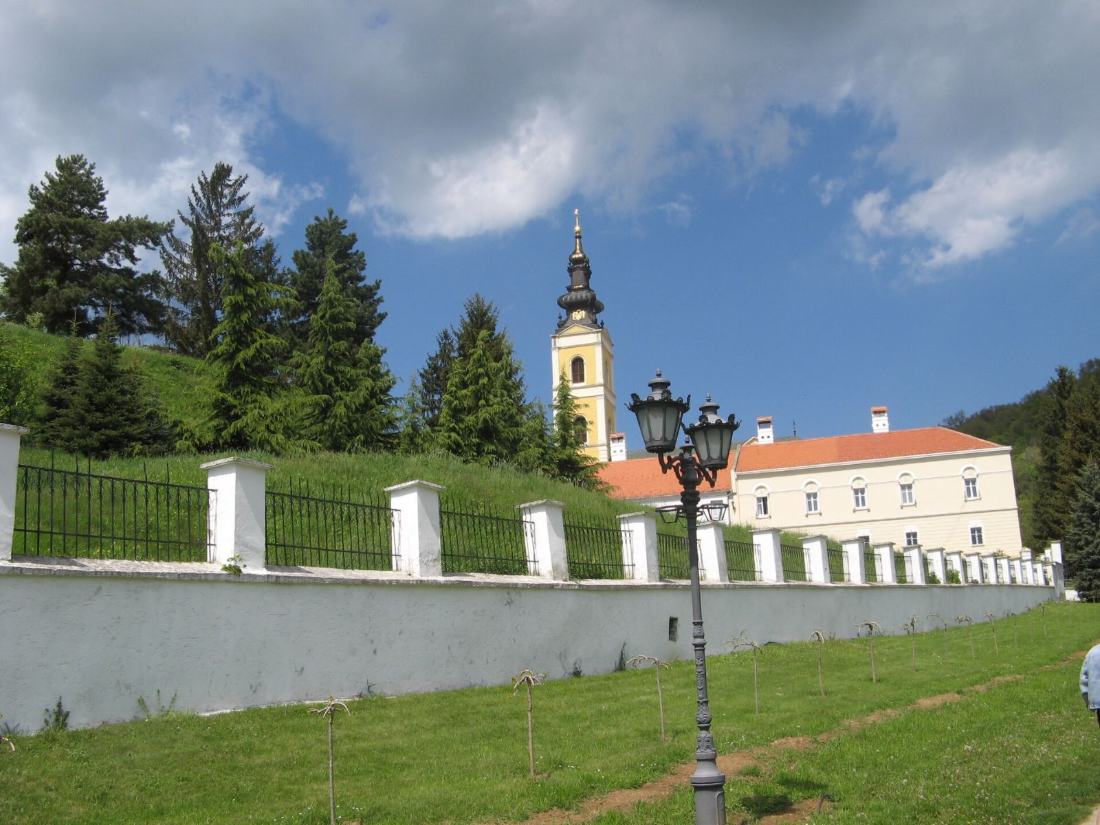
History and foundation
Tradition attributes Grgeteg's foundation to Despot Vuk Branković, remembered in Serbian epic poetry as the Fiery Dragon. Reliable Ottoman records mention the monastery from 1545. The present church dates from the 18th century, while rebuilding around the turn of the 20th century substantially shaped its appearance.
Art and sacred heritage
A particular highlight is the iconostasis, with icons painted by Uroš Predić in 1901–1902 during a restoration designed by architect Hermann Bollé. A copy of the Three-handed Mother of God icon, brought here in 2002, expresses the monastery's spiritual connection with Hilandar on Mount Athos.
What to notice on a visit
Grgeteg appeals both to visitors interested in Serbian painting and to those coming for prayer. Its iconostasis provides a starting point for discussing how an artist depicts saints, while the Three-handed icon introduces Orthodox icon veneration. Allow time for a quiet visit and follow the monastery's instructions.
Visiting respectfully
A monastery is a place of prayer and daily monastic life. Wear modest clothing covering shoulders and knees, speak quietly and follow the hosts' instructions. Ask permission before photographing interiors or people. Access to individual areas and the course of the visit depend on services and the monastery's rules on the day. Always ask your guide Božidar what is permitted and where; he will explain the monastery's rules.
Sources and further reading
This visitor introduction distinguishes traditional accounts from reliably documented history.