History and foundation
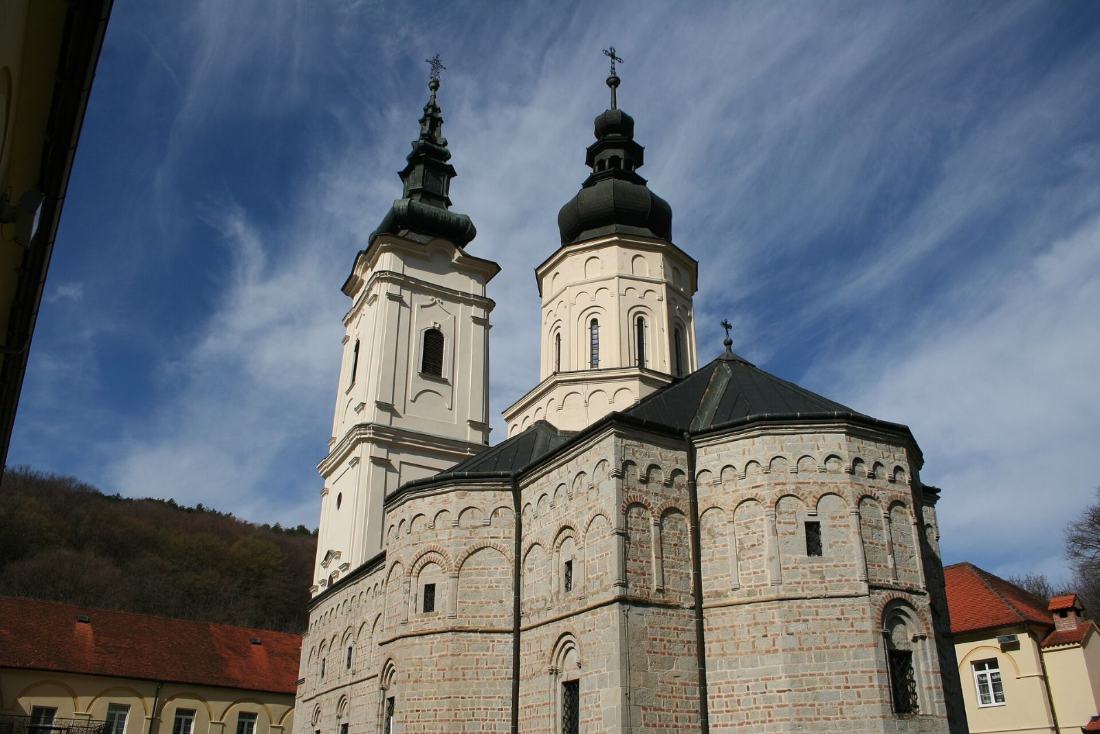
Jazak preserves the memory of an older monastery and of a major renewal of monastic life in the 18th century. Construction of the present complex began in 1736, near the earlier Stari Jazak. The new church is dedicated to the Holy Trinity, and the monks moved into the new foundation in 1741.
Art and sacred heritage
The relics of St Tsar Uroš were brought to the older monastery in 1705 and later transferred to the new complex. Their presence helped shape Jazak's importance as a pilgrimage destination. The Baroque iconostasis, with paintings by Dimitrije Bačević, reflects the richness of 18th-century church art.
What to notice on a visit
At Jazak, connect the story of Tsar Uroš with the history of the monastery rather than limiting the visit to its buildings. Notice the relationship between church, bell tower and residential wings. This provides an opportunity to discuss the place of saints' relics in Orthodoxy and the life of Fruška Gora's monastic communities.
Visiting respectfully
A monastery is a place of prayer and daily monastic life. Wear modest clothing covering shoulders and knees, speak quietly and follow the hosts' instructions. Ask permission before photographing interiors or people. Access to individual areas and the course of the visit depend on services and the monastery's rules on the day. Always ask your guide Božidar what is permitted and where; he will explain the monastery's rules.
Sources and further reading
This visitor introduction distinguishes traditional accounts from reliably documented history.