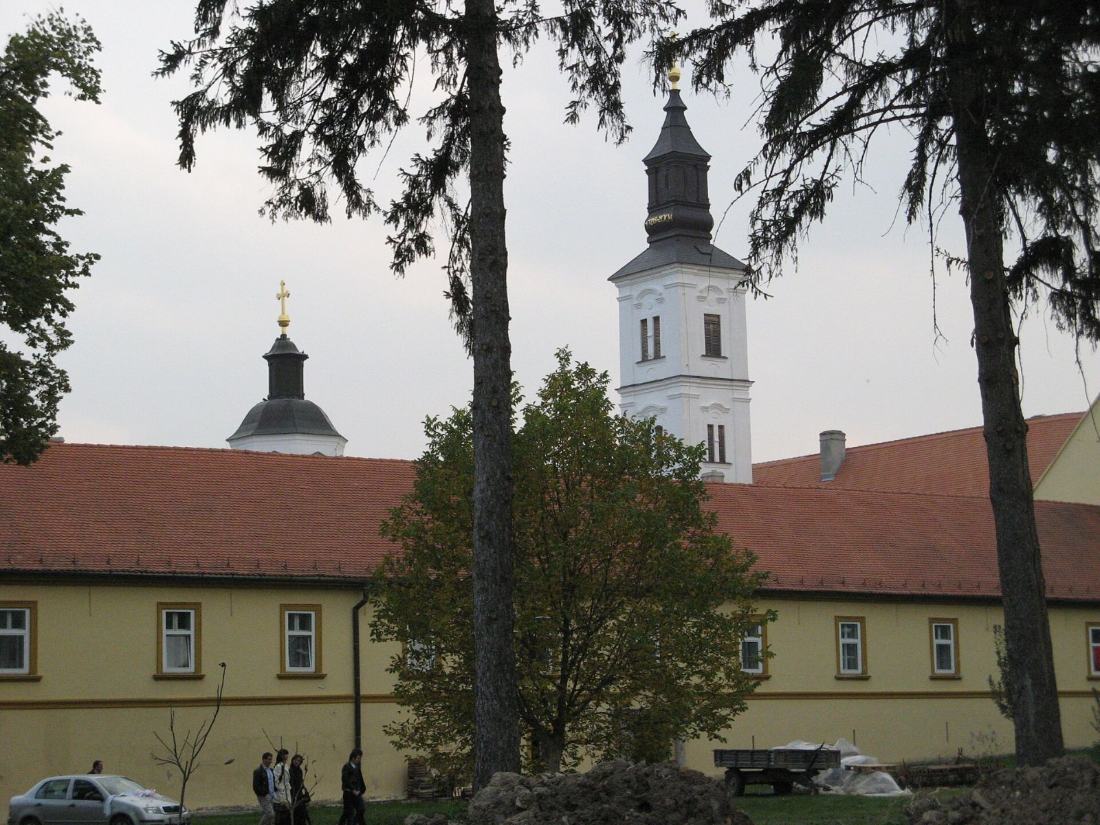
History and foundation
Krušedol was founded in the early 16th century by St Maksim Branković and his mother, St Angelina. The church is dedicated to the Annunciation to the Mother of God. After the loss of the medieval Serbian state, foundations such as this became important centres of faith and historical memory in Srem.
Art and sacred heritage
The monastery is also a burial place of prominent figures, including Patriarchs Arsenije III and Arsenije IV, Princess Ljubica and King Milan Obrenović. Destruction in 1716 was followed by extensive rebuilding. The church's medieval form and later Baroque layers reveal how monastic art developed over time.
What to notice on a visit
During a visit, look at the wall paintings and the iconostasis, whose icons date from different periods. The tombs connect Krušedol with migrations, ruling families and church history. Rather than simply listing dates, its story allows us to consider how one monastery helped sustain a community through profound change.
Visiting respectfully
A monastery is a place of prayer and daily monastic life. Wear modest clothing covering shoulders and knees, speak quietly and follow the hosts' instructions. Ask permission before photographing interiors or people. Access to individual areas and the course of the visit depend on services and the monastery's rules on the day. Always ask your guide Božidar what is permitted and where; he will explain the monastery's rules.
Sources and further reading
This visitor introduction distinguishes traditional accounts from reliably documented history.